26°C 28°C
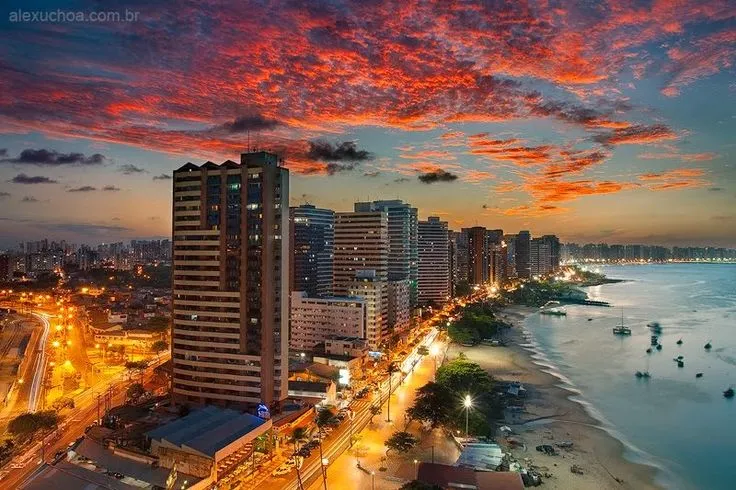
Fortaleza, CE
Summary: Jericoacoara is located approximately 300 km from Fortaleza. The first 280 km are paved road to Jijoca de Jericoacoara, and the final stretch, a sandy road, can only be traversed in 4x4 vehicles or open-air trucks. The most common ways to get there are shared transfer, private 4x4 transfer, bus to Jijoca, and car, which is parked in Jijoca. Those coming from other states can also fly directly to Jericoacoara airport in Cruz. In this guide, Hoje no Ceará compares each option and explains the tourism tax charged in the village.
This text is part of our complete guide to Jericoacoara, including tours, best time to visit, and where to stay.
In this guide:
It's about 300 km between Fortaleza and the village of Jericoacoara. Most of the journey is along the CE-085, the main highway, which runs along the west coast to the Jijoca region. The paved road ends in Jijoca de Jericoacoara, the municipal seat. From there to the village it's just over 20 km along sandy trails, about 40 to 45 minutes in a 4x4 vehicle.
In total, expect a journey of between 5 and 7 hours by land, depending on the mode of transport, stops, and traffic leaving Fortaleza (approximate times).
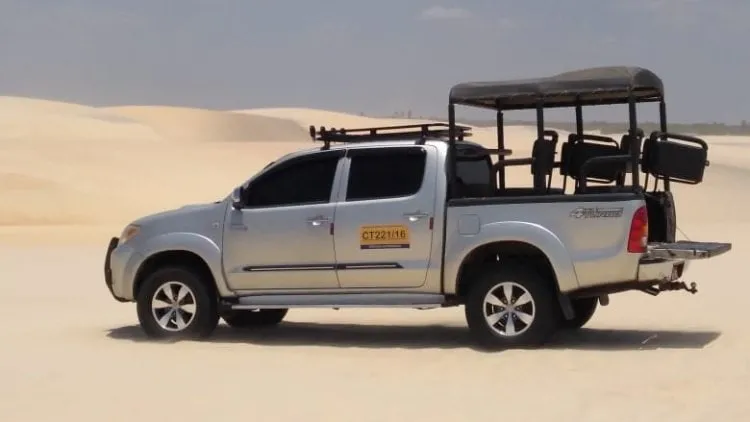
Why can't a regular car reach the village? Jericoacoara is located within a dune area and a national park. The final stretch is soft sand, and the circulation of private vehicles within the village is restricted. Therefore, everyone makes the last part in a 4x4 vehicle or a "jardineira" (open-air truck).
This is the most popular option for those staying in Fortaleza. Departures are early in the morning, with pick-up from hotels along the coast (Praia de Iracema, Beira-Mar and Praia do Futuro). The trip to Jijoca is made in a van, minibus or air-conditioned bus, with a quick stop along the way. In Jijoca, passengers transfer to a 4x4 vehicle that travels through the dunes to the village and usually drops each person off at their guesthouse. Arrival is usually in the early afternoon.
A 4x4 vehicle with a driver will pick you up at the airport or hotel and take you directly to your guesthouse in Jeri, without changing vehicles. The time is arranged with you, and many companies offer optional stops, such as Lagoa do Paraíso, near Jericoacoara.
What to ask before booking: if the 4x4 portion is included, where is the departure point, how much baggage is allowed, if the tourist tax is included (it usually isn't), and what the cancellation policy is.
Buses depart from the Engenheiro João Thomé Bus Terminal in Fortalezaand go to Jijoca de Jericoacoara. Some companies include the bus fare to the village; others charge for the final leg of the journey separately in Jijoca. The total trip takes between 6 and 7 hours, with stops along the way.
Check the schedules and what's included on the company's website before booking. If you're arriving at night, let the guesthouse know.
By car, follow the CE-085 highway to Jijoca de Jericoacoara. Use GPS and preferably drive during the day, as some sections have poor signage and the asphalt may have potholes. The trip to Jijoca takes about 4 to 5 hours, depending on stops.
In Jijoca, leave your car in a parking lot and take a "jardineira" (open-air truck) or 4x4 to the village. Regular cars get stuck in the sand, and even those with 4x4s don't have free access to the village: vehicles must be parked in an authorized parking area at the entrance to Jeri.
Stops along the way: CE-085 passes near Cumbuco and beaches on the west coast such as Lagoinha, Flecheiras and Mundaú. See distances and tips in Tours departing from Fortaleza.
Those coming from other states have two options:
Flight availability to Jericoacoara varies depending on the season. Check the routes available with the airlines before planning your trip.
The municipality of Jijoca de Jericoacoara charges a Sustainable Tourism Tax (TTS) to those visiting the village. In 2026, the fee is R$ 41.50 per person, valid for stays of up to 10 days, with an additional charge per day for longer stays. There are exemptions provided for, such as for children and the elderly.
Prices and rules are subject to change. Please check the Jijoca de Jericoacoara city hall website before traveling.
Transfer companies, tour operators, guesthouses in Jijoca and Jericoacoara, parking lots, and tour operators can appear to those planning a trip, including foreign visitors, with a presence on the portal, Google My Business, biosite, and NFC-based rating boards. Contact our team via WhatsApp. All sponsored content is identified.
Approximately 300 km. The first 280 km or so are paved until Jijoca de Jericoacoara, and the final stretch, which is sandy, is done in a 4x4 vehicle.
Between 5 and 7 hours by land, depending on the mode of transport and stops. With a shared transfer, those who leave early in the morning usually arrive in the early afternoon.
Only as far as Jijoca de Jericoacoara. There, the car is left in a parking lot, and the final stretch to the village is done in a "jardineira" (open-air truck) or 4x4 vehicle.
Yes. Buses depart from the Fortaleza bus station and go to Jijoca, where passengers continue by open-air bus (jardineira) to the village. In some companies, the bus fare is already included in the ticket price.
Yes. Jericoacoara Regional Airport is located in Cruz, just over 30 km from the village, and receives direct flights from some capital cities. From the airport, access is by 4x4 transfer.
In 2026, the Sustainable Tourism Tax is R$ 41.50 per person, valid for up to 10 days. Confirm the amount on the Jijoca de Jericoacoara city hall website before traveling.
No. It's a long drive, and you'd only arrive in time to return. Ideally, you should stay at least three nights.
Updated October 1, 2026. Schedules, prices, flight routes, access rules, and the tourist tax amount are subject to change; please confirm with the companies and the local government before traveling.