
26°C 29°C
Fortaleza, CE
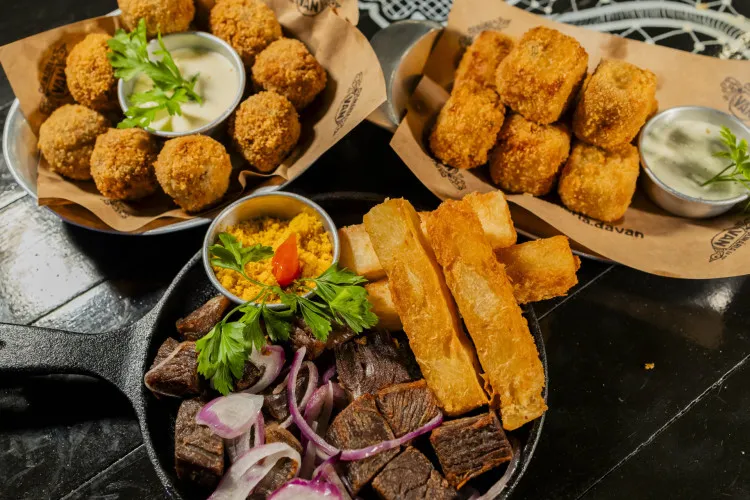
Summary: Eating well in Fortaleza involves four experiences: crab at the beach stalls on Praia do Futuro, fresh fish in Mucuripe, regional dishes like baião de dois, carne de sol and panelada, and the gastronomic nightlife of Varjota. In this guide you'll see what to try, where to find each item, and tips to enjoy yourself without falling into tourist traps.
This text is part of our guide Fortaleza, featuring beaches, tourist attractions, and tours of the capital.
It's the dish most associated with the city. It comes whole, cooked in seasoned broth, and is eaten with your hands and a small wooden mallet, accompanied by pirão (a type of porridge) and cold beer. On Thursdays, the beach stalls at Praia do Futuro host the traditional crab night, an event that brings together tourists and locals.
Peixada cearense is a fish stew with vegetables and eggs, served with pirão (a type of porridge) made in the broth itself. Whole fried fish, usually with baião de dois (a rice and beans dish) or rice, is a classic beachside lunch.
The coast of Ceará is a producer of shrimp and lobster, which appear in stews, skewers, grilled dishes, and garlic and oil dishes in the coastal restaurants.
Baião de dois is a dish that mixes rice, green beans or string beans, curd cheese, and cream. It is usually served with sun-dried meat, paçoca (a type of meat dish made with pounded meat and flour), cassava, and clarified butter. It is a staple of any regional cuisine restaurant.
For those who enjoy traditional cuisine, panelada (a stew of beef offal) and sarrabulho (prepared with pork offal) are traditional dishes from Ceará, served in regional restaurants and markets, usually at lunchtime.
Present at breakfast and afternoon snacks, with fillings of curd cheese, sun-dried meat, coconut or butter. Freshly made tapioca is one of the most popular snacks on the beach.
Cajá, graviola, cashew, tamarind, murici, and acerola appear in juices and ice creams. To take home, there are cashew nuts, rapadura (unrefined cane sugar), and regional sweets.
The large beach bars at Praia do Futuro function like beach clubs, with a full seafood menu. Go during the day to enjoy the sea, and on Thursdays, stay for the crab.
At the Mucuripe fish market, you can choose your fish and shrimp and have it prepared at one of the stalls next door. It's a very local experience, with prices generally lower than those on the beachfront.
The beachfront area is home to seafood restaurants, steakhouses, and family-friendly options, as well as the Beira-Mar street market, where you can find snacks and tapioca at night. It's the most convenient area for those staying there.
Adjacent to Meireles, Varjota boasts many restaurants and bars within a few blocks, offering regional, international, and contemporary cuisine. It's one of the residents' favorite neighborhoods for dining out.
Bars, snacks, and live music near Dragão do Mar. Great for combining watching the sunset at Ponte dos Ingleses with dinner or happy hour.
In the city center you'll find popular restaurants serving regional cuisine and the Central Market, where you can buy cashews, sweets, cachaça (Brazilian rum), and spices to take home.
Soon, in this section, you will find restaurants, bars, and stalls in Fortaleza organized by region, with photos, menus, contact information, and addresses.
Do you own a restaurant, bar, or food stall in Fortaleza? Get noticed by people choosing where to eat with a presence on the portal, Google My Business, a biosite, and NFC-based rating boards. Contact our team via WhatsApp. Sponsored content is always identified.
Crab is the dish most associated with the city, along with fish stew, baião de dois with sun-dried meat, tapioca, and seafood from the Ceará coast.
At the stalls on Praia do Futuro, especially on Thursdays, the traditional day for crab in the city.
Varjota has many restaurants and bars, and the Meireles and Praia de Iracema beachfront offers options for all tastes.
At the Mucuripe fish market, you choose your fish and ask for it to be prepared on the spot.
Cashew nuts, unrefined brown sugar, regional sweets, and cachaça (Brazilian rum) can be found at the Central Market and in stores selling regional products.
Updated September 29, 2026. Menus, prices, and hours are subject to change; please confirm with the establishment.